

After you apply for benefits you will receive a written decision either finding that you are disabled or denying the claim. If your initial application has been denied and you want to continue the pursuit of disability benefits, you must file an appeal.
There are four levels of appeal: (1) reconsideration, (2) hearing by an administrative law judge, (3) appeals counsel review, and (4) federal court. Each step in the appeal process has strict time lines and protocols to follow and having an experienced disability attorney can help ensure you comply with the regulations.
Request for Reconsideration
The first step in the appeal for SSD or SSI is requesting reconsideration. You have 60 days after you receive the notice of a denial to ask for reconsideration of the initial determination. If you do not timely request an appeal, you will have to file a new SSDI or SSI claim to be considered for disability benefits unless there is a “good cause” for missing the deadline (such as hospitalization or other extenuating circumstances).
Generally speaking, SSD or SSI reconsideration will not take as long as receiving a decision on your initial claim. According to the Social Security Administration (SSA), reconsideration reviews take an average of 100 days.
If you believe the SSA did not have all of your medical records or information when they considered your application, now is the time to submit additional documentation. If you have been seen by your doctor recently, seen by a new doctor, or have undergone new diagnostic tests or received new diagnoses, you should immediately request your updated records from the doctor and submit them with your request for reconsideration.
At this step, a different disability claim examiner reviews the application and medical records to determine if the initial denial was correct. The new claim examiner will review the evidence submitted at the time of the original decision and will review any new evidence you have to assist in the determination of your claim. The chances of winning at the reconsideration level is quite low unless you have additional information that was not considered at the initial review so you must ensure you have submitted all relevant medical records at this step.
If you were denied you must request reconsideration by calling your local office or appeal online at https://www.ssa.gov/benefits/disability/appeal.html. If you would rather file by mail, you must fill out Form SSA-561 (which can be found online at https://www.ssa.gov/forms/ssa-561.html) and form SSA-3441 Disability Report (which can be found online at https://www.ssa.gov/forms/ssa-3441.html.)
Request for a Hearing with an Administrative Law Judge
If you appealed for reconsideration and was again denied, you can request for a hearing with an Administrative Law Judge (ALJ). To request a disability hearing you can mail in the correct form, send a letter to your local Social Security office or request a hearing online. While you can call your local SSA office for guidance, you cannot request a hearing over the phone and the request must be made in writing. Similar to the request for reconsideration, you can request a hearing online by going to www.ssa.gov/disability/appeal. You can also obtain the Request for Hearing form (Form HA-501) online at https://www.ssa.gov/forms/ha-501.pdf.
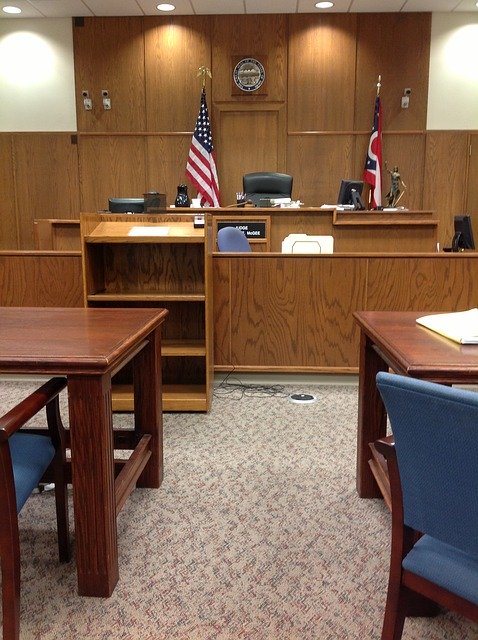
There are multiple forms that must be completed and returned to the SSA prior to scheduling a hearing. Once you have requested a hearing, these forms should be sent to you or they can be found online. They must be completed and returned in order for your claim to be heard by a Law Judge.
Just as in the previous step of the appeal process, there are strict time lines to request a hearing. You must request a hearing within 60 days of receiving the decision of reconsideration. If you fail to request a hearing within 60 days, you will have to file a new application unless you can demonstrate “good cause” for the delay.
Preparing For a Hearing
Once you have submitted a request for a hearing, it can take up to two years depending on the backlog of your region. You will receive a minimum of 75 days notice of your hearing being scheduled so that you can prepare for the hearing and submit your up-to-date medical records.
In advance of your hearing it is vital to ensure the SSA has copies of all recent medical reports. The ALJ will want to see recent medical evidence to know your disability is permanent and continuing up to the date of the hearing. If you do not have any recent medical records, you should make appointments with your doctors.
The time line to obtain a hearing is usually long, but that does give a claimant the ability to grow and develop their claim before being heard by an ALJ. The chances of being successful at the hearing level is higher than during the reconsideration process. Many conditions worsen over time and it is vital to ensure you continue to treat and submit medical evidence while waiting for the hearing.
It is not only important to obtain copies of your existing medical records and test results, but it can be beneficial to have your physicians make specific comments or opinions regarding your diagnoses, prognosis, exertional and non-exertional limitations, and ability to return to the work force. While a diagnosis is likely to be listed in a standard medical report, most physicians do not regularly include information regarding work limitations in a typical medical narrative. As such, an experienced disability attorney is likely to reach out to your doctors and request their opinion about specific questions relevant to your claim.
Any medical evidence you want considered must be submitted five days in advance of the hearing. If it is not possible to submit the evidence within five days of the hearing then a judge can consider the circumstances if you bring the evidence with you to the hearing.
It is highly suggested that a legal “brief” be submitted prior to a hearing. You or your lawyer can submit a brief that outlines the medical evidence and why your condition(s) should be deemed disabling. The brief can also outline your vocational background, whether you meet a listing, whether you are considered disabled according to the “grid” or any other legal argument applicable to your file. The legal standards associated with SSDI and SSI claims can be complex and working with an experienced disability attorney can give you an advantage in preparing for a hearing.
Working With a Disability Attorney
If you have been denied benefits, it is important to understand the deadlines to appeal the determination. Working with an experienced disability attorney can help make sure your case is properly evaluated during the appeal process. Your attorney can ensure that you timely appeal the initial determination by seeking reconsideration and asking for a hearing. Your attorney can analyze the relevant medical evidence; request and submit medical reports from your treating provider; obtain evidence that may be considered in determining whether you can perform work activities; and summarize your disability and legal standards in a “brief” for review by the ALJ.
The disability attorneys at Hinman, Howard & Kattell are available to assist you with your disability claim regardless of where you are in the process. Our attorneys are available to represent clients throughout New York State and in surrounding areas. Please call our office at (607) 231-6708 or submit a contact request on our website for a free consultation.

| Gary C. Tyler Partner 80 Exchange Street Binghamton, NY 13901 Phone: (607) 231-6833 Email: gtyler@hhk.com |

| Jeffrey A. Jaketic Partner 80 Exchange Street Binghamton, NY 13901 Phone: (607) 231-6742 Email: jjaketic@hhk.com |

| Michelle Whitton Cowan Special Counsel 224 Harrison Street Suite 500 Syracuse, NY 13202 Phone: (315) 473-9414 Email: mwhittoncowan@hhk.com |

| Kristen A Hazlet Associate 707 Westchester Avenue Suite 407 White Plains, NY 10604 Phone: (607) 231-6821 Email: khazlet@hhk.com |
Copyright © 2020 by Hinman, Howard & Kattell LLP. This Client Alert is provided as a general information service to clients and friends of Hinman, Howard & Kattell, LLP. It should not be construed as, and does not constitute legal advice on any specific matter, nor does this message create an attorney-client relationship. Please contact our firm for advice specific to your situation. These materials may be considered Attorney Advertising in some states.